Main Introduction
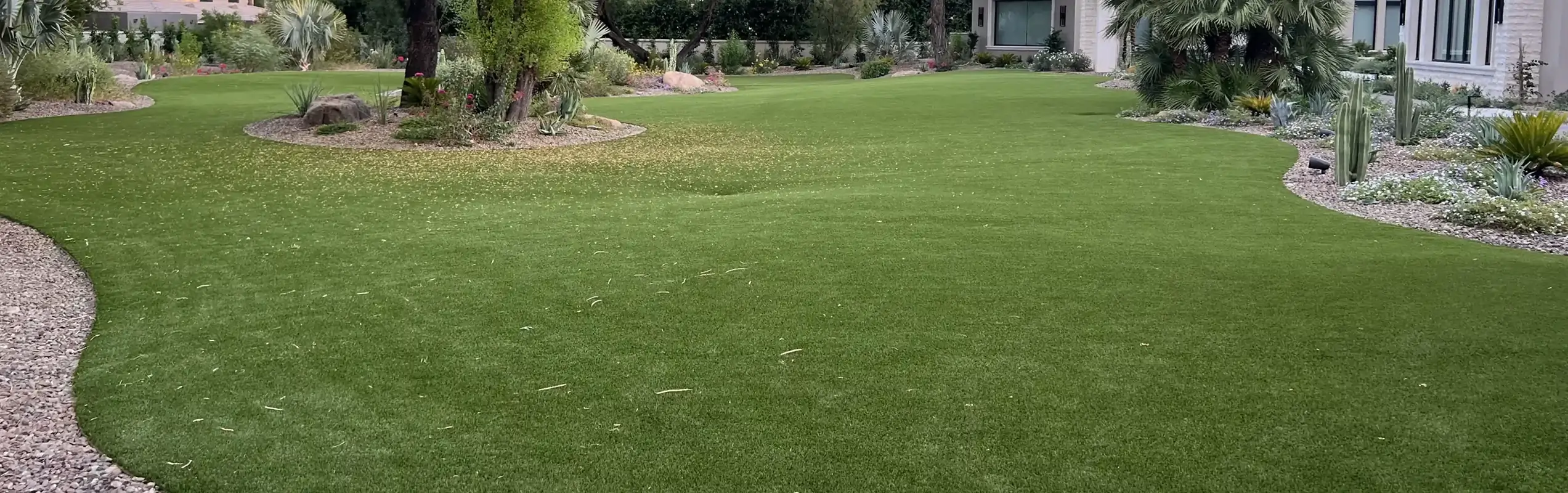
Commercial properties along the FM 518, FM 528, and Highway 35 corridors in Friendswood and Pearland are increasingly choosing artificial turf for amenity zones, entry landscapes, and common area lawns — not as a cosmetic upgrade but as an operational decision. The combination of Southeast Texas heat, Galveston County clay, and the maintenance demands of large commercial turf areas makes natural grass a recurring cost that compounds every season. Irrigation bills, lawn service contracts, and the ongoing appearance issues that come with clay-based soil and summer heat are all variables that commercial turf eliminates. Artificial Turf of Friendswood works with property managers, HOA boards, multifamily developers, and commercial owners across the growth corridor from Friendswood through Pearland into the Manvel edge. The installation process for commercial properties is more complex than residential — access constraints, phased schedules around tenant operations, larger total square footage, and finish quality expectations that need to hold up under high foot traffic and extended sun exposure. Common commercial applications in this market include the amenity lawns in multifamily communities like Pearland's Shadow Creek Ranch-adjacent apartment complexes, entry and common area conversions at Friendswood's retail centers, HOA-managed common area turf in West Ranch and other large master-planned neighborhoods, and outdoor break areas at office and light industrial properties along the Beltway 8 SE corridor. Commercial jobs begin with a property-level site review that maps drainage, access points, irrigation infrastructure, and any operational constraints that affect how and when installation can proceed. We build the work plan around those constraints rather than asking the property to work around a fixed schedule. For occupied multifamily properties, that often means zone-by-zone staging that keeps common areas usable throughout the project. For retail centers, it means scheduling work during low-traffic windows or phasing around anchor tenant operating hours. Base and drainage specifications on commercial sites are typically more intensive than residential. Larger areas require more drainage infrastructure to handle concentrated surface water, and higher foot traffic demands deeper base compaction and more durable turf product specifications. We engineer the base for the use load rather than applying a residential spec to a commercial footprint. Commercial properties in Friendswood and Pearland that convert common area turf to artificial typically see immediate reductions in irrigation costs and lawn maintenance contracts, with the investment recouped over a timeline that depends on total area and current maintenance spend.